
In most environments, cellular connectivity is reliable enough that teams do not think much about it. Devices connect, data moves, and work gets done.
But in rural service areas, offshore, along remote infrastructure corridors, and at the edge of the network, connectivity becomes less predictable. A device may show bars and appear connected, yet uploads stall, video fails to transmit, and critical field data never reaches the network.
When teams rely on real-time information to get their jobs done, that gap can quickly become an operational problem.
Key takeaways of this piece:
- Signal strength alone does not determine connectivity quality
- Uplink performance is often the limiting factor at the network edge
- Standard devices have limited transmit power (~0.2W)
- HPUE increases uplink power (up to 1.25W) to extend usable coverage
- This results in fewer dead zones and more reliable real-time data transmission
Is signal strength a reliable indicator of connectivity?
One of the biggest misconceptions about wireless performance is that visible signal strength tells the whole story. It does not.
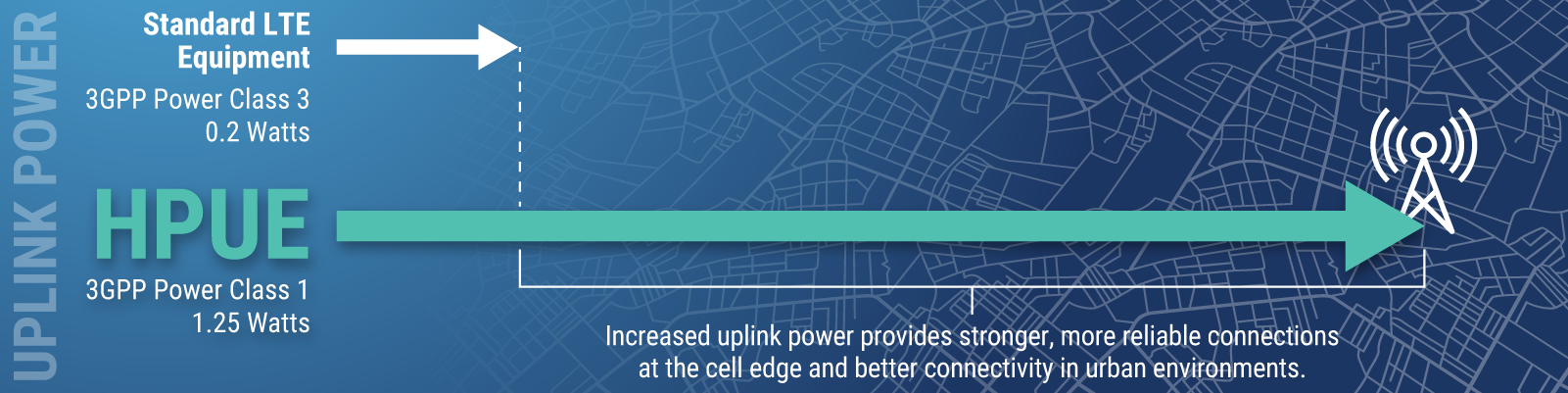
In many cases, a device can still receive a signal from the tower but struggle to send data back. The limitation is often in the uplink, not the downlink. Standard cellular devices are typically limited to about 0.2 watts on the uplink, which becomes a real constraint at the edge of coverage.
That is why teams can appear connected, but still experience dropped calls, failed uploads, delayed telemetry, and unreliable application performance.
Why uplink performance is critical for real-time work?
For many field operations, uplink is what keeps work moving.
It enables crews to upload inspection photos and video, send location and telemetry data, update work orders, access cloud-based systems, and stay visible to dispatch or command teams. When uplink performance breaks down, the impact goes beyond inconvenience. It can slow response, reduce productivity, and limit situational awareness.
This is exactly the gap HPUE is designed to address.
How does HPUE improve uplink performance?
High Power User Equipment, or HPUE, is designed to improve uplink performance by helping devices send data back to the network more reliably in challenging environments.
Airgain’s HPUE solutions operate as 3GPP Power Class 1 devices, allowing up to +31 dBm (1.25 watts) of output power, compared with +23 dBm (200 mW) for standard Power Class 3 devices. That added uplink power helps improve connectivity in cellular dead zones and extend usable coverage in harder-to-reach areas.
How HPUE performed on a 233-mile remote road test?
One of the clearest demonstrations of HPUE’s impact comes from a 233-mile route in Southwest Texas, where remote terrain makes reliable connectivity especially difficult.
In testing, a standard router lost coverage for 60 miles of the route. MegaFi 2 HPUE reduced that gap to just 14 miles, delivering 94% route coverage in an area where standard connectivity fell short.
Standard Router
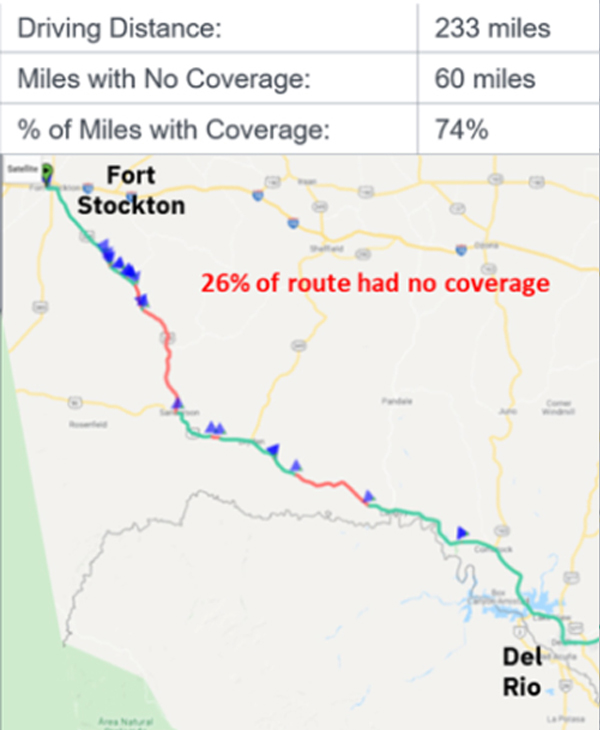
60 miles no coverage
MegaFi 2 HPUE
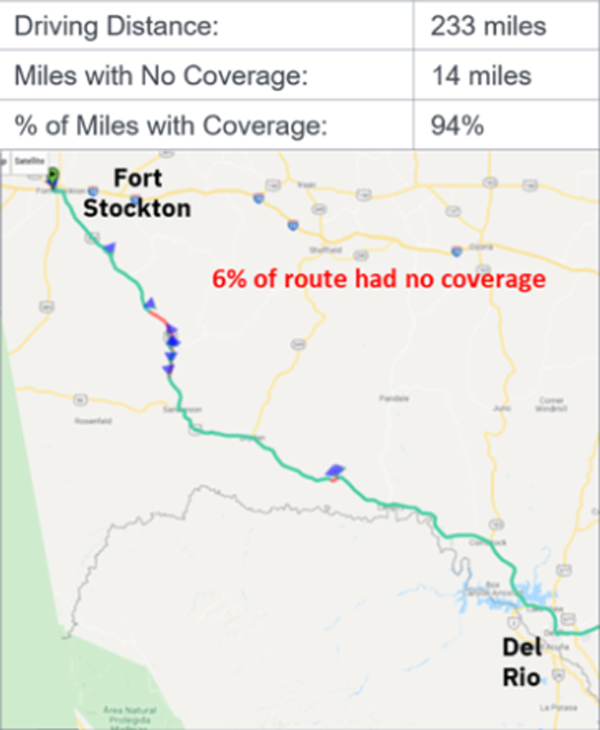
14 miles no coverage
HPUE achieved 94% coverage in an extremely remote area
How HPUE improves offshore connectivity performance?
Offshore operations expose the limits of standard connectivity quickly. The farther a vessel travels from shore, the harder it becomes to maintain reliable uplink performance.
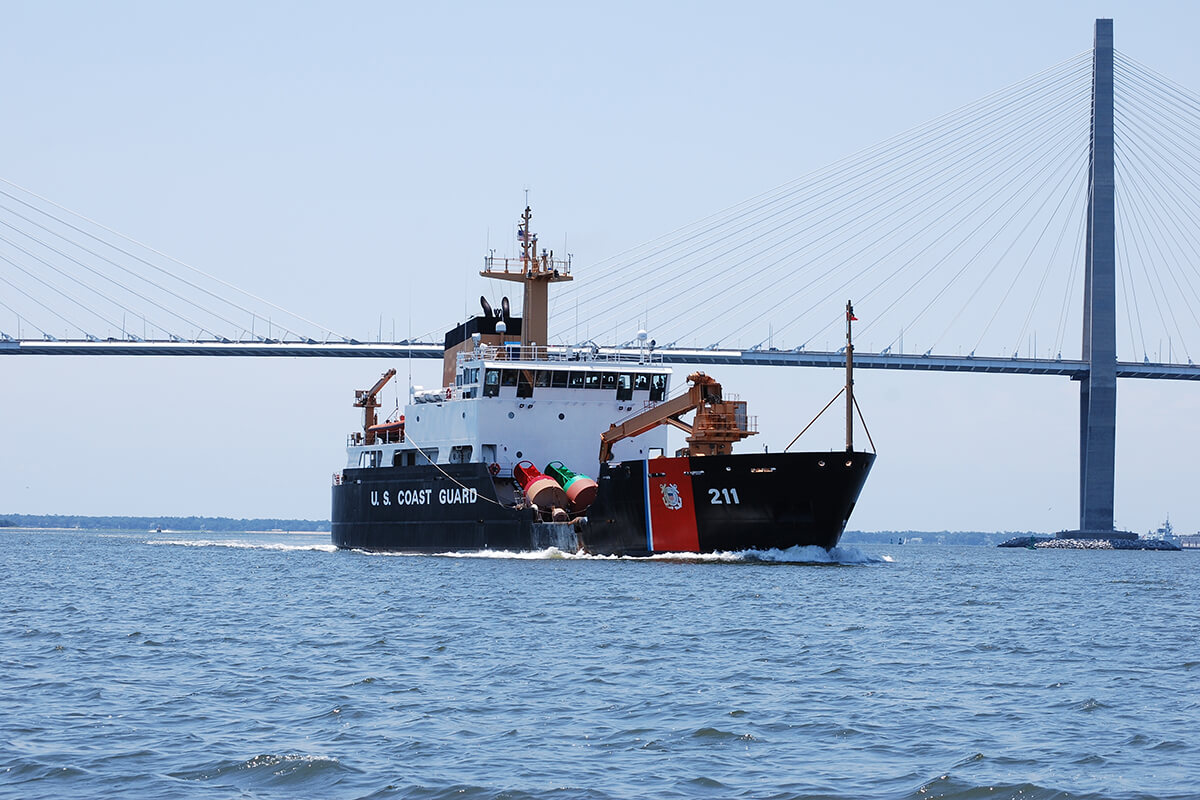
In a U.S. Coast Guard example, HPUE helped maintain broadband-class connectivity farther from shore than standard approaches, supporting search and rescue missions. Airgain’s MegaFi 2 achieved 14.7 Mbps upload at 28 miles offshore and average upload and download speeds of more than 15 Mbps at 25 miles offshore.
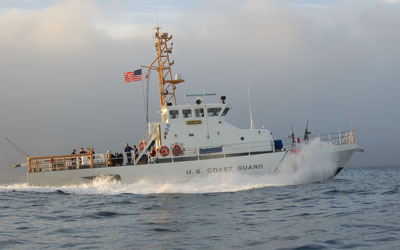
- Marina Del Rey, CA patrol area covers 500km2 from Morro Bay to Dana Point, CA + several offshore islands
- Needed broadband communications for search and rescue missions
Test Results
- 28 miles offshore with 14.7 Mbps upload.
- Average download and upload speeds over 15Mbps at 25 miles offshore.
HPUE achieved very long range over water
Where HPUE delivers the most value
HPUE was originally developed for public safety networks, which is why it is often associated with FirstNet and Band 14 in the U.S. But the underlying challenge it addresses is much broader. Any organization that operates in fringe, rural, offshore, or otherwise hard-to-reach environments can run into the same problem: devices may appear connected, but struggle to maintain reliable real-world performance when it matters most.
That includes public safety vehicles moving through edge-of-coverage areas, utility crews responding to outages in remote territory, field teams working in rural or mountainous regions, offshore and coastal operations, and mobile teams sending video, telemetry, or other operational data from the field. In each case, success depends not just on whether a device can detect a signal, but whether it can reliably send and receive the data needed to support the job.
That is the practical value of HPUE. It helps maintain usable uplink performance in environments where standard devices often start to fall short. For organizations operating at the network edge, that can mean fewer dead zones, more dependable uploads, and stronger continuity in the field.
Read more information on Airgain HPUE solutions or contact [email protected].
Frequently Asked Questions related to this post:
What is HPUE in cellular networks?
HPUE (High Power User Equipment) is a class of cellular device designed to transmit at higher power levels than standard devices, improving uplink performance in weak coverage areas.
Why do I have signal but no data upload?
Devices can often receive signals from a tower (downlink) but lack sufficient transmit power to send data back (uplink), especially at the edge of coverage.
What is uplink vs downlink?
Downlink is data sent from the network to your device. Uplink is data sent from your device back to the network. Many field applications depend heavily on uplink.
How much more power does HPUE provide?
HPUE devices can transmit at up to +31 dBm (1.25 watts), compared to +23 dBm (0.2 watts) for standard devices.
Who benefits most from HPUE?
Organizations operating in rural, remote, offshore, or edge-of-network environments, including utilities, public safety, transportation, and field services.