
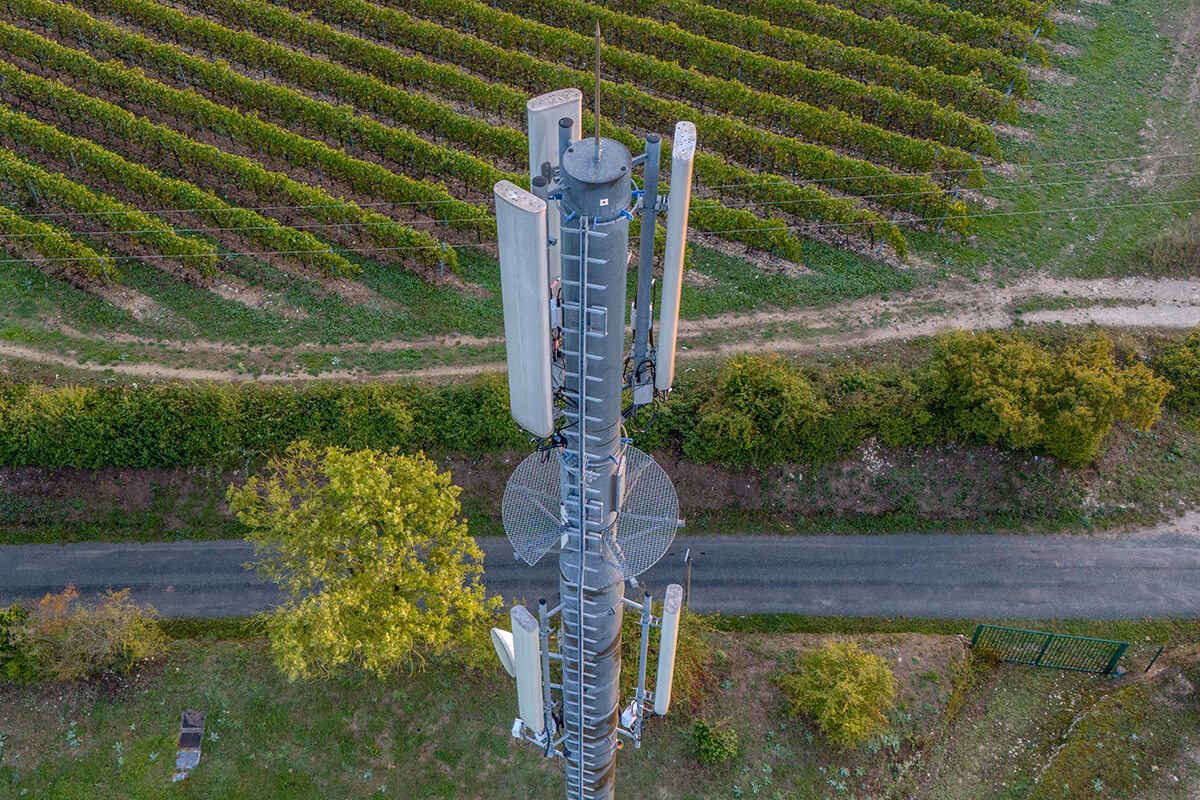
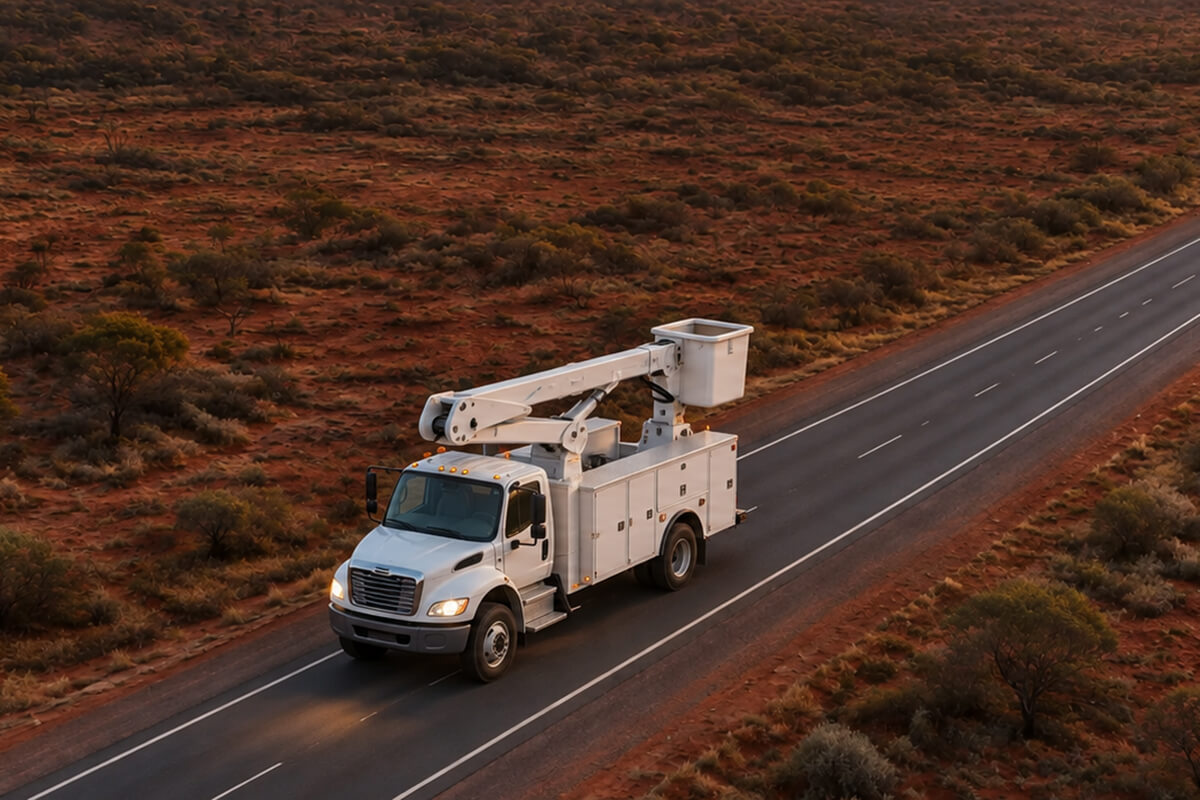
Utility crews work across city streets, rural roads, substations, forests, deserts and remote rights-of-way. No cellular network performs the same across all of them. Most utilities have seen it: one carrier is strong across most of the territory, and another does better in certain spots.
Cellular failover: key takeaways
- A primary carrier can still be the right choice, but it will not be strongest in every location or during every outage.
- Cellular failover gives selected utility vehicles a backup network when the primary connection is unavailable.
- Prioritize network redundancy for emergency crews, critical routes and applications that cannot wait for service to return.
You probably didn't pick the wrong carrier
This isn’t an argument for switching. A primary carrier often makes perfect sense because of enterprise agreements, priority services, pricing, support and the setup already built around it.
The point is narrower.
Choosing a carrier and building a resilient connectivity strategy are two different decisions. Most fleets have made the first. Fewer have made the second. In the meantime, crews fill the gap by learning where the network is weak. That works on a normal day. It works much less well when conditions turn.
Why cellular network outages do not affect every carrier equally
Storms, wildfires and heat waves all put pressure on the power grid, and cell sites depend on that grid. When Hurricane Helene hit in 2024, more than 14% of cell sites in parts of North Carolina were still offline 11 days after landfall. (FCC status report, via Broadband Breakfast) Researchers found the towers were mostly still standing. Sites went dark because they lost power or lost the lines connecting them to the wider network. (Olukola et al., 2026 preprint)
Wildfire country has its own version. Utilities increasingly cut power on purpose during extreme fire weather: about one-third of wildfire-related major outages Climate Central tracked were public safety power shutoffs. (Climate Central)
Whatever the cause, the pattern is the same. Some sites go down, some carriers are hit harder than others, and crews work with less signal on fewer towers.
What is cellular failover?
Cellular failover gives a vehicle a backup cellular connection when its primary network is unavailable or unusable. For a utility fleet, that can mean switching to another carrier so crews can keep using GIS, VPN, telemetry and dispatch tools.
Why single-network vehicles need cellular failover
In most fleets, a physical SIM ties each truck to one carrier. If that network goes down, the truck goes down with it. Switching carriers means a technician touching every vehicle, which is exactly the work nobody has time for during an emergency.
The old answer was to rely on crews knowing the territory. The better answer: design the vehicle to adapt to the territory.
Add a cellular backup network where it counts
Keep your main carrier, but give trucks on critical routes or emergency duty a way to switch to a second network. Not every truck needs every network. The question to ask your team: if our main carrier goes down in our territory, which crews lose their connection?
Cellular failover in practice: a Midwestern electric utility
This utility’s crews, serving rural and low-coverage areas, were dropping GIS, VPN and telemetry connections and making repeat truck rolls because field data came back incomplete. It replaced separate router-and-antenna setups with an all-in-one rooftop 5G unit that switches automatically across FirstNet, Verizon and T-Mobile.
The results:
- More stable connections in rural and outage zones
- Reliable GIS and VPN for field work
- Fewer drops, faster restoration and fewer repeat truck rolls
- Trucks now act as secure Wi-Fi hotspots for nearby crews
Plan for where your crews actually work
Build your truck connectivity around your territory, not one coverage map. Contact us →
Next in this series: Did Your Fleet Connectivity Grow One Project at a Time?