
How an experienced fleet installer simplifies fleet connectivity deployments with an integrated rooftop system.

Agency: ProLogic ITS
Industry: Fleet management
Region: Georgia, United States
Use Case: Professional installation of connectivity systems for law enforcement, fire, EMS, and fleet operators
Executive Summary
ProLogic ITS, a fleet technology installation provider serving law enforcement, fire, EMS, and commercial fleet organizations, reduced installation complexity and deployment time using AirgainConnect Fleet. Traditional vehicle connectivity installations often require separate routers, roof-mounted antennas, extensive cable routing, and multiple hardware components, increasing installation time and creating additional failure points. By deploying AC-Fleet’s integrated rooftop architecture, ProLogic ITS reduced installation time from 60-90 minutes to 30-45 minutes per vehicle, improved installation consistency, and reduced maintenance requirements.
Traditional vehicle connectivity installs require multiple components distributed throughout the vehicle. A roof-mounted antenna connects to an internal router through numerous RF cables, forcing installers to remove interior panels, drill into the roof, and route cables through the vehicle.
According to ProLogic ITS, these deployments typically involve:
These installs typically take 60 to 90 minutes per vehicle, adding labor time and variability across large fleet deployments.
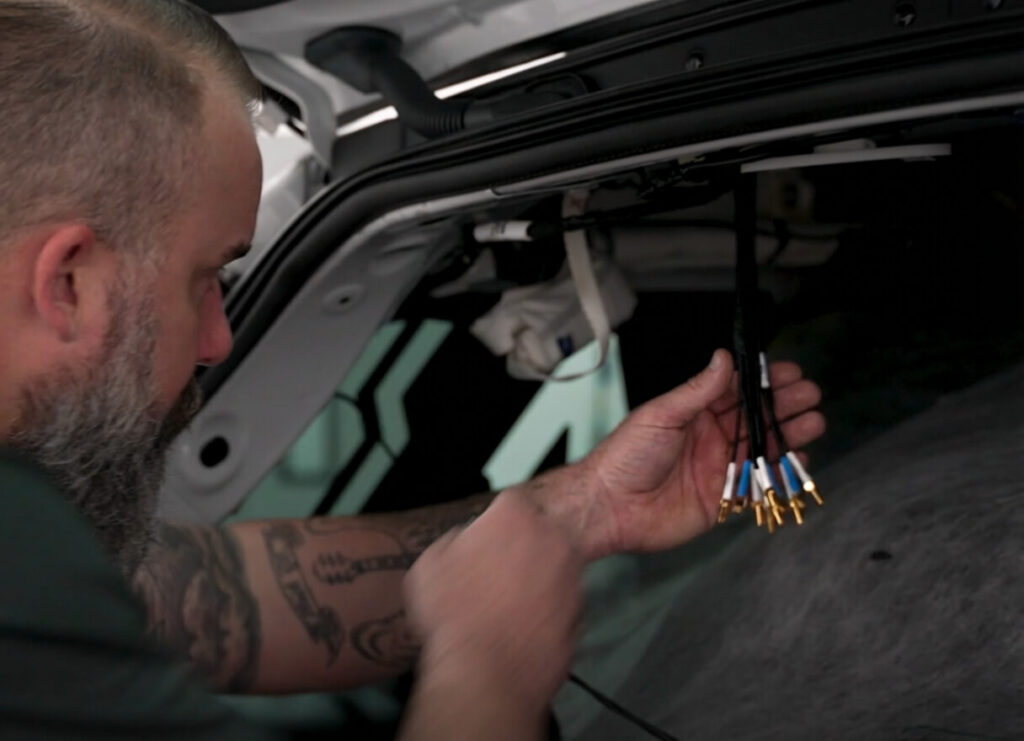
ProLogic ITS implemented AC-Fleet, an integrated rooftop platform that combines antennas, a modem, a router, GPS, and Wi-Fi technologies into a single exterior device.
By consolidating components into a single rooftop solution, AC-Fleet eliminates the need for:
The simplified architecture enables technicians to complete installations more quickly while creating a more standardized deployment process across diverse vehicle types.
AC-Fleet significantly reduces installation time compared to traditional router-and-antenna systems. ProLogic ITS found installations typically take 30–45 minutes, compared to 60–90 minutes for conventional setups. By eliminating internal router mounting and extensive RF cable routing, installers can complete deployments faster and with greater consistency across vehicles.
With fewer components and cables to manage, installations become more repeatable across vehicles, helping installation teams maintain consistency across large fleet deployments.
Traditional vehicle connectivity systems rely on multiple RF connectors and antenna leads that can loosen or fail over time. AC-Fleet’s integrated design removes many of these components, reducing the number of potential failure points in the system.
Traditional router-and-antenna systems often require repair visits when RF connectors loosen or fail. These repairs can take vehicles out of service for hours or even a full day. By eliminating antenna leads and connectors, the integrated design helps reduce these service interruptions.
| Operational Area | Traditional Architecture | AC-Fleet |
|---|---|---|
| Installation time | 60-90 minutes | 30-45 minutes |
| Router mounting | Required | Eliminated |
| RF cable routing | Extensive | Minimal |
| Hardware components | Multiple devices | Single integrated platform |
| Potential failure points | Numerous connectors and cables | Reduce significantly |
| Maintenance requirements | High | Low |
As fleets become increasingly dependent on connected technologies, installation efficiency and system reliability have become important operational considerations. Organizations deploying mobile connectivity solutions must balance performance requirements with installation costs, maintenance burdens, and vehicle downtime.
This deployment demonstrates how integrated connectivity architectures can simplify fleet modernization efforts while reducing total deployment complexity and long-term support requirements.