
How an experienced fleet installer simplifies fleet connectivity deployments with an integrated rooftop system.

Agency: ProLogic ITS
Industry: Fleet management
Region: Georgia, United States
Use Case: Professional installation of connectivity systems for law enforcement, fire, EMS, and fleet operators
Traditional vehicle connectivity installs require multiple components distributed throughout the vehicle. A roof-mounted antenna connects to an internal router through numerous RF cables, forcing installers to remove interior panels, drill into the roof, and route cables through the vehicle.
According to ProLogic ITS, these deployments typically involve:
These installs typically take 60 to 90 minutes per vehicle, adding labor time and variability across large fleet deployments.
AC-Fleet takes a very different, yet simpler approach. Antennas, the cellular gateway, Wi-Fi, and Ethernet connectivity are combined into a single, roof-mounted unit.
The installation process becomes much simpler.
You drill one hole in the roof, mount the unit, and connect 3-4 cables: power, ground, ignition, and optional Ethernet. There’s no internal router to mount, no RF cables to route through the vehicle, and no antenna connectors to manage.
What this removes from the installation:
The result is a faster, cleaner and more repeatable install.
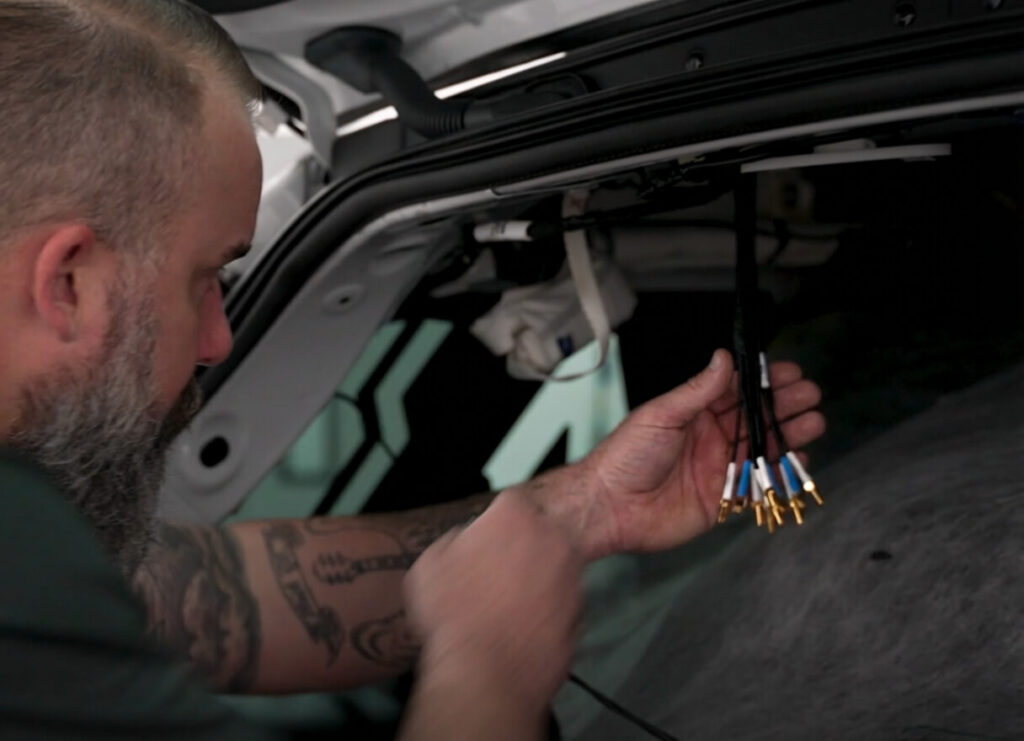
AC-Fleet significantly reduces installation time compared to traditional router-and-antenna systems. ProLogic ITS found installations typically take 30–45 minutes, compared to 60–90 minutes for conventional setups. By eliminating internal router mounting and extensive RF cable routing, installers can complete deployments faster and with greater consistency across vehicles.
With fewer components and cables to manage, installations become more repeatable across vehicles, helping installation teams maintain consistency across large fleet deployments.
Traditional vehicle connectivity systems rely on multiple RF connectors and antenna leads that can loosen or fail over time. AC-Fleet’s integrated design removes many of these components, reducing the number of potential failure points in the system.
Traditional router-and-antenna systems often require repair visits when RF connectors loosen or fail. These repairs can take vehicles out of service for hours or even a full day. By eliminating antenna leads and connectors, the integrated design helps reduce these service interruptions.